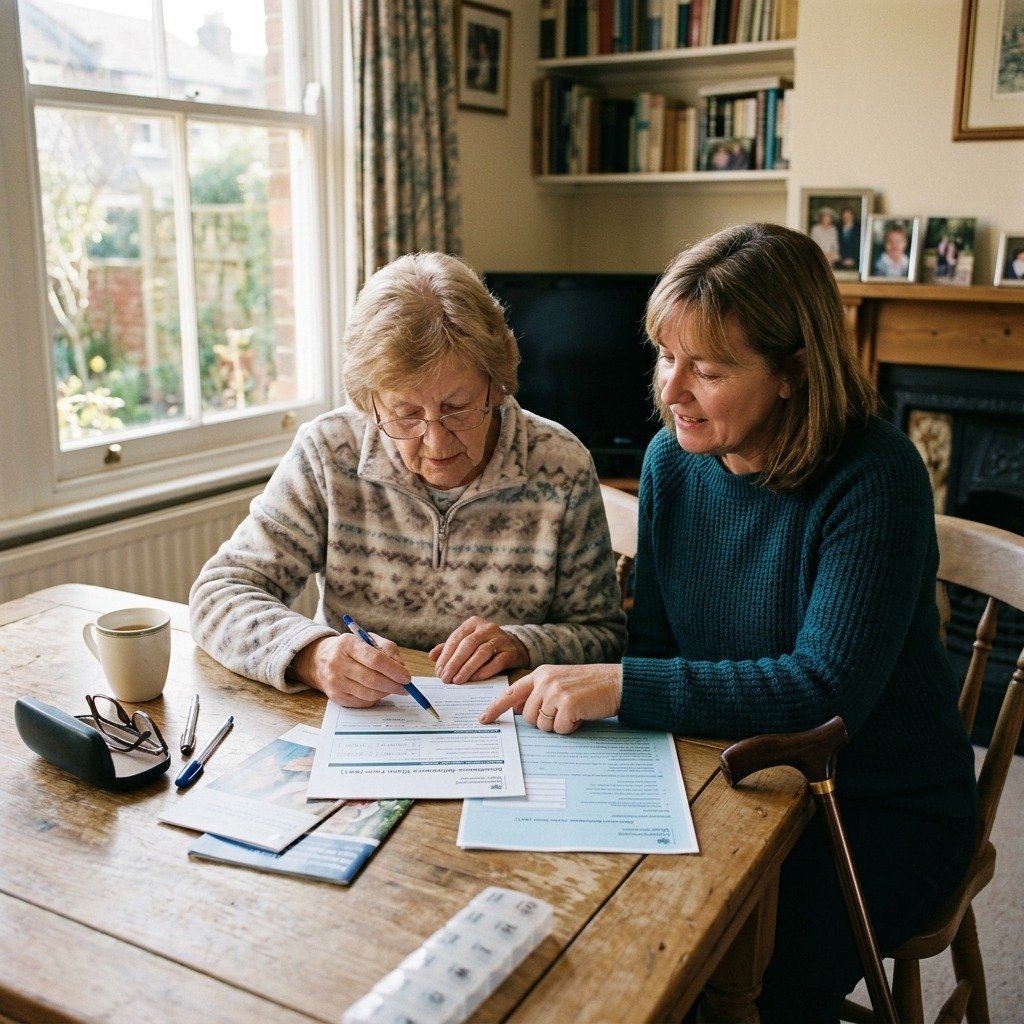
What Are the 56 Conditions That Qualify for Attendance Allowance
There is no official DWP list of “56 conditions” that guarantee Attendance Allowance. The number comes from a misread statistical report that groups claimants by diagnosis code for internal record-keeping not a checklist of qualifying illnesses. Eligibility under Section 64(1) of the Social Security Contributions and Benefits Act 1992 depends on your care and supervision needs, not your diagnosis. Any condition can qualify if it meets that test.
If you’ve searched “56 conditions attendance allowance” and found a list circulating on Facebook or in a national newspaper, you’re not imagining it. It’s real but it’s also widely misunderstood, and that misunderstanding is stopping people from claiming money they’re entitled to.
Where the “56 Conditions” Number Came From
The 2023 viral social media post that started the myth
In spring 2023, a wave of Facebook posts and articles claimed the Department for Work and Pensions had published a definitive list of “56 health conditions” that qualify for Attendance Allowance. The claim spread quickly through pensioner and carer Facebook groups, often shared as a screenshot with the caption “check if your condition is on this list.”
The DWP statistical report it misquoted
The list traces back to a DWP statistical breakdown of Attendance Allowance claimants by main disabling condition a dataset used to track how many people claiming the benefit have arthritis, dementia, heart disease, and so on. The Independent’s May 2023 article stated plainly: “According to the DWP, there are 56 health conditions that might qualify you,” then reproduced the department’s condition codes as if they were an eligibility checklist. That’s a mischaracterization. These codes exist so DWP can report on who is already claiming, not to tell people who is allowed to claim.
Why the number keeps changing (56, 57, 58, 64, 76) in viral posts
If you’ve seen different figures 56, 57, or even higher quoted across different sites, that’s because DWP updates its statistical categories periodically, and different publications pulled the data at different times. One site currently references “57 conditions” using a more recent snapshot. None of these figures represent a fixed or authoritative eligibility list because no such list exists.
How the myth spread through pensioner Facebook groups
Once the Independent’s article went live, it was screenshotted and reshared thousands of times, often stripped of its context and caveats. Each reshare made the number look more official, even though the underlying claim was never accurate to begin with.
Age UK and Citizens Advice statements debunking the claim
Age UK addresses this directly: “Whether you qualify for Attendance Allowance isn’t based on having a certain medical condition, but on your care needs. Two people with the same medical condition might qualify for different levels of Attendance Allowance or one of them might not qualify at all. It all depends on how your condition affects you.” Carers UK puts it just as plainly: “It doesn’t matter what your condition is what matters is how it affects you.”
What DWP Statistics Actually Show
The 500+ diagnosis codes DWP tracks
DWP’s internal systems track claimant conditions using a far more granular set of diagnosis codes than the 56 or 57 that circulate online these viral figures are simplified groupings, not the full picture.
Top qualifying conditions by claimant volume
Arthritis is consistently the single largest category among Attendance Allowance claimants, followed by dementia, cardiovascular disease, and respiratory conditions. But high claim volume for a condition reflects how common it is among older people not a guarantee that having it entitles you to the benefit.
Why grouping conditions by number is meaningless
A named condition on any list whether it’s 56 items long or 500 tells you nothing about whether you personally will be awarded Attendance Allowance. Two people with identical diagnoses can receive completely different outcomes, because the assessment looks at daily impact, not labels.
The DWP’s Actual Assessment Framework
Section 64(1) of the Social Security Contributions and Benefits Act 1992
The legal basis for Attendance Allowance doesn’t mention conditions at all. Section 64(1) states a person qualifies if they are severely disabled physically or mentally and satisfy either the day attendance condition or the night attendance condition full stop. Diagnosis isn’t part of the test.
The “attention with bodily functions” test
By day, you meet the condition if you require “frequent attention throughout the day in connection with your bodily functions” help with washing, dressing, eating, toileting, or communicating.
The “continual supervision” test
Alternatively, you can qualify for daytime supervision needs: “continual supervision throughout the day in order to avoid substantial danger” to yourself or others. This covers things like risk of falls, wandering, or confusion.
The “6 months prior” duration rule
You must have needed this level of help for at least six months before you claim, unless you’re applying under the special rules for terminal illness, in which case this waiting period doesn’t apply.
How this differs from a diagnosis-based system
A diagnosis-based system would need to define, in advance, exactly how every condition affects every person an impossible task given how differently the same illness presents from one person to another. Section 64(1) sidesteps this by asking about function and need instead of naming conditions.
Why a Diagnosis List Would Miss People Who Qualify
People with undiagnosed conditions still qualify
Age UK’s guidance is explicit that a formal diagnosis isn’t a requirement. If you have symptoms and functional needs that meet the day or night attendance condition, you can still be awarded Attendance Allowance while waiting for, or without ever receiving, a formal diagnosis.
Cumulative multi-morbidity cases
Many successful claimants don’t have one qualifying condition they have several minor issues that add up to significant daily care needs. Mild arthritis combined with reduced vision and early memory problems, for example, can together create supervision and personal care needs that no single named condition would suggest on its own.
Symptom clusters without formal diagnosis
Fatigue, unsteadiness, and confusion frequently appear together in older claimants without ever being tied to a single labeled illness. These are still valid grounds for a claim if they create genuine care or supervision needs.
Rare conditions not in any published list
Any list 56 conditions or otherwise will always exclude rare and less-common diagnoses. Because eligibility is functional, not diagnostic, someone with an uncommon condition is in exactly the same position as someone with arthritis: it comes down to what help they need, not what the illness is called.
The “unlabelled frailty” claimant profile
General frailty in older age declining strength, balance, and stamina without one specific driving diagnosis is one of the most commonly overlooked grounds for a claim, precisely because it doesn’t fit neatly into any viral list of named conditions.
What the DWP’s Own Guidance Says About “Qualifying Conditions”
What the AA1 claim form says about diagnoses
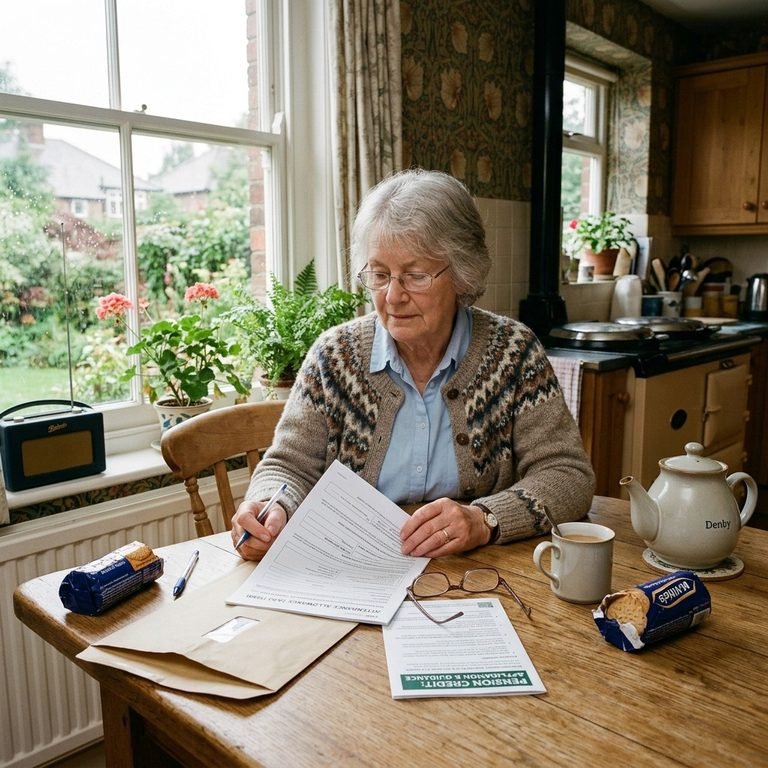
The AA1 notes tell claimants directly: “You may not think of yourself as disabled, but if you have a health condition or illness that means you need the type of help we tell you about in these notes, you may be able to get Attendance Allowance.” Nowhere does the form ask you to match your diagnosis against a list.
What decision-makers are trained to assess
Decision-makers work through the answers you give about personal care and supervision needs across a typical day and night, not a checklist of named illnesses. The form’s medical questions exist to build a picture of your daily reality, not to confirm a diagnosis code.
Why DWP doesn’t publish a “yes/no” condition list
Publishing a fixed list would contradict the functional basis of the law itself. Doing so would also risk excluding genuine claimants whose condition isn’t named, while giving false confidence to people whose named condition doesn’t create sufficient daily care needs.
What Actually Qualifies The Real Framework
Personal care needs (specific tasks)
Qualifying personal care needs include help with washing or bathing, dressing, eating and drinking, using the toilet, taking medication safely, and communicating your needs to others.
Supervision needs for safety
Supervision needs include being watched over to prevent falls, wandering, self-harm, or accidents caused by confusion, seizures, or loss of awareness of danger.
The frequency requirement (“frequent attention”)
Occasional help doesn’t meet the bar. The law requires “frequent” attention throughout the day, or supervision that is “continual.”
The duration requirement (“6 months prior”)
Unless you qualify under the special rules for terminal illness, your needs must have already lasted six months by the time you claim.
The intensity requirement (lower vs. higher rate)
Meeting either the day condition or the night condition alone qualifies you for the lower rate. Meeting both the day and night conditions qualifies you for the higher rate.
What Does NOT Qualify (Regardless of Diagnosis)
Purely mobility needs
Difficulty walking or getting around, on its own, is assessed under Personal Independence Payment (PIP) for those under State Pension age Attendance Allowance is centered on personal care and supervision, not mobility alone.
Domestic tasks only
Needing help with cleaning, shopping, or gardening doesn’t meet the legal test unless it’s tied to personal care or safety supervision.
Occasional or short-term help
A condition that requires occasional assistance, or one that’s expected to resolve within six months, generally won’t meet the frequency or duration requirements.
Financial hardship without care needs
Attendance Allowance is not means-tested, but it’s also not a general hardship payment it exists specifically to address unmet care and supervision needs, regardless of your income.
Being over State Pension age with no care needs
Age alone, even with a long-term diagnosis on file, doesn’t create entitlement. The condition has to translate into genuine daily help or supervision requirements.
How the “56 Conditions” Myth Hurts Real Claimants
People failing to apply because their condition isn’t “on the list”
The most damaging effect of the myth is self-selection: people search for their condition, don’t find it named on a shared list, and conclude they’re ineligible without ever finding out that eligibility was never about the name of their condition in the first place.
Missed claims for conditions not in viral posts
Anyone with a rare condition, an undiagnosed condition, or a combination of minor issues is especially likely to wrongly rule themselves out based on a list that was never authoritative.
Confusion about what evidence to attach
Believing eligibility hinges on a named diagnosis leads some claimants to focus their evidence on proving what illness they have, rather than on describing, in detail, the personal care and supervision help they actually need which is what decision-makers are assessing.
Wrong expectations about assessment outcomes
Claimants sometimes expect an automatic award because their condition appears on a viral list, then feel blindsided by a refusal or lower-rate award, when the outcome was always going to depend on their individual care needs rather than their diagnosis.
Data on eligible non-claimants
Reporting has put the number of eligible non-claimants as high as 3.4 million people. Some of that gap is almost certainly linked to the mistaken belief that a specific diagnosis is required to succeed.
Reliable Information Sources on Eligibility
- GOV.UK the official eligibility criteria and claim form (AA1)
- Age UK Factsheet 34 a detailed, plain-English breakdown of who can claim and how
- Citizens Advice general benefits guidance and help challenging a decision
- Carers UK practical tips for completing the claim form accurately
- Independent Age advice guides aimed specifically at older claimants
Frequently Asked Questions
Is there really no list of qualifying conditions?
Correct. Attendance Allowance eligibility under Section 64(1) of the Social Security Contributions and Benefits Act 1992 is based on personal care and supervision needs, not a fixed list of diagnoses.
Where did the “56 conditions” list come from?
It originated from a DWP statistical report that groups existing claimants by their main disabling condition for record-keeping purposes. Media coverage in 2023 mischaracterized this as an eligibility list.
Does the DWP publish any list of conditions?
DWP publishes statistical breakdowns of claimant conditions (for reporting purposes only), but no official “qualifying conditions” list exists for eligibility decisions.
Are some conditions guaranteed to qualify?
No. Even common conditions like arthritis or dementia only qualify if they create personal care or supervision needs that meet the legal test not because of the diagnosis itself.
What if my condition is rare?
Rare and undiagnosed conditions are assessed on exactly the same functional basis as common ones. If your condition creates genuine care or supervision needs lasting six months or more, it can qualify.
Does undiagnosed illness still qualify?
Yes. A formal diagnosis isn’t required. What matters is whether you need frequent personal care or continual supervision because of your symptoms.
What’s the difference between DWP’s coded conditions and a “qualifying list”?
DWP’s codes describe who is already claiming, sorted by their main condition, for statistical reporting. A “qualifying list” implies a checklist used to decide new claims no such checklist exists in the legislation or the claim process.
Why do so many websites repeat the 56 conditions figure?
Once The Independent’s 2023 article went viral, many other sites republished the same list

One Comment