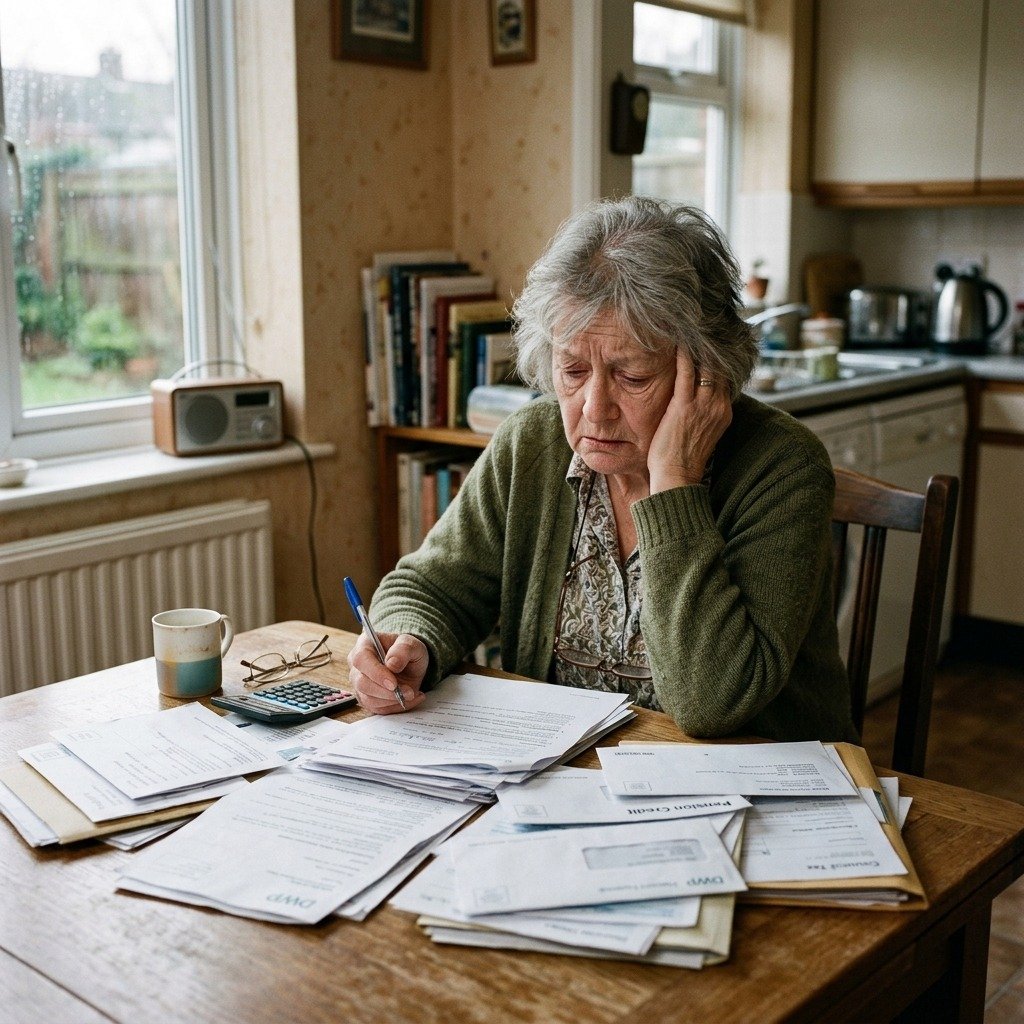
Attendance Allowance Depression: Mental Health Care Needs
Depression, anxiety, PTSD, bipolar disorder, and psychotic disorders can all qualify for Attendance Allowance when they create a need for frequent prompting with personal care tasks, or ongoing supervision to prevent serious danger. The DWP does not require a specific diagnosis it assesses the care and supervision your condition makes necessary, day and night.
Mental health conditions are among the most misunderstood grounds for Attendance Allowance. Many people assume the benefit is only for those with obvious physical disabilities. That assumption causes thousands of older people with severe depression, anxiety, and related conditions to miss out on payments worth up to £114.60 a week.
How Mental Health Conditions Fit the DWP’s Care Test
Frequent attention to bodily functions” how prompting counts
The phrase “attention to bodily functions” covers far more than physical assistance. The DWP explicitly recognises that prompting someone to wash, dress, eat, or take medication counts as attention even when no physical help is given. For mental health claims, this is critical. Someone with severe depression who will not shower for days without verbal encouragement has an attention need. The fact that they can physically stand in a shower is irrelevant.
Continual supervision to avoid substantial danger the mental health route
This test is the main qualifying route for many mental health conditions. It does not require physical danger from a fall or a seizure. Supervision to prevent self-harm, to ensure medication is taken, to prevent someone from wandering during a dissociative episode, or to manage a psychiatric crisis all satisfy this test. “Continual” means throughout a defined period, not necessarily every minute of every day.
What DWP is NOT looking for (specific diagnoses)
The DWP does not award Attendance Allowance for a diagnosis. It awards it for a functional care need. Two people with identical diagnoses of severe depression may receive different outcomes because their day-to-day care requirements differ. Focus the AA1 form on what happens without support not on clinical labels.
The “reasonable prompting” threshold
Prompting counts only when it is needed regularly and when the person would not reliably complete the task without it. Occasional reminders do not meet the threshold. If someone consistently fails to eat, wash, or take medication without being prompted each time, that is a qualifying care need.
Severe Depression and Care Needs
Not getting out of bed motivation vs physical
Depression-related inability to get out of bed is frequently dismissed as a lifestyle choice. It is not. Severe depression impairs motivation, executive function, and the capacity to initiate action. A person who needs someone to physically encourage them out of bed each morning or who would remain there all day without that support has a clear care need for help getting in and out of bed.
Personal hygiene neglect days without washing
Self-neglect is one of the most functionally impairing features of severe depression. When someone goes several days without washing because the act feels impossible not physically, but psychologically this represents a genuine need for prompting or assistance with washing and bathing.
Not eating or drinking without prompting
Anhedonia (the loss of pleasure and motivation) removes the drive to prepare or consume food. Someone who consistently skips meals without a carer or family member encouraging them to eat has a food preparation and eating care need.
Suicidal ideation and safety supervision
Where suicidal thoughts are active, a supervisor needs to be present or regularly checking in to prevent serious harm. This is one of the clearest routes to the higher rate of Attendance Allowance.
Self-neglect and medication adherence
Severe depression often leads to inconsistent medication use either forgetting doses or deliberately avoiding them. The need for someone to supervise or prompt medication is a qualifying care requirement.
Severe Anxiety and Care Needs
Panic attacks someone present for grounding
Panic attacks involving severe dissociation, loss of orientation, or inability to breathe require another person present. The need for someone to remain nearby and provide grounding support qualifies as supervision.
Agoraphobia help to leave the house
Agoraphobia severe enough to prevent unaccompanied travel to medical appointments, shops, or other essential locations creates a functional care need. Escort to appointments is recognised as care in the context of the DWP’s attention test.
OCD compulsions delaying self-care
When OCD compulsions mean that washing or dressing routines take several hours, this creates a disproportionate need around personal care tasks. The time and prompting required can meet the “attention to bodily functions” test.
PTSD flashbacks and orientation support
PTSD flashbacks that cause dissociation or acute distress may require someone present to reorient the person and manage their safety. Regular and unpredictable flashbacks create a supervision need that can qualify for the higher rate.
The Prompting Framework What DWP Considers Care
Verbal prompting for tasks like washing, getting dressed, taking medication, or eating is recognised as care. It does not need to be physical. However, the AA1 form must make the prompting need explicit how often it is needed, what happens without it, and how long the person has needed that support.
Key distinctions:
- Physical guidance (helping someone into a bath) is more obviously recognised but not necessary to qualify
- Verbal prompting (standing at the bathroom door, telling someone to wash) counts equally
- Frequency matters: prompting once a week is different from prompting every morning
- What happens without prompting: DWP assessors want to know the consequence of not providing support
For medication prompting, include the specific medication, why it needs supervision, and what the risk of non-compliance is. This is particularly relevant for psychiatric medications where missed doses carry significant clinical risk.
Safety Supervision for Mental Health Conditions
Safety supervision is the most powerful route to the higher rate of Attendance Allowance for mental health conditions.
- Suicide risk requiring someone to be present or close at hand satisfies “continual supervision to avoid substantial danger”
- Self-harm supervision, including hiding sharp objects or remaining nearby during periods of high distress
- Refusal of medication requiring supervised administration
- Wandering during dissociation particularly relevant for older adults with dissociative disorders or late-stage psychosis
- Poor safety awareness leaving hobs on, doors unlocked, or engaging in behaviours that create household risk
Each of these represents a scenario where absence of supervision creates substantial danger. Document which behaviours occur, how often, and what the consequences have been when supervision was absent.
Bipolar Disorder in Older Adults
Bipolar disorder creates a fluctuating but persistent care need. During depressive phases, prompting requirements mirror those of severe depression (hygiene, food, medication, suicide risk). During manic episodes, the supervision need shifts: the person may engage in unsafe behaviours, refuse medication, spend excessively, or place themselves in physical danger.
Lithium monitoring, for those prescribed it, creates its own care dimension blood tests require attendance and supervision, and toxicity symptoms require immediate response. Fluctuating capacity across phases does not reduce the validity of a claim; DWP must assess the care need across the whole range of the condition, not just its best moments.
Psychotic Disorders in Older Adults
Schizophrenia, late-onset schizophrenia, and delusional disorders frequently cause significant self-neglect in older adults. A person who refuses to eat because they believe food has been poisoned, or who fails to maintain hygiene because of delusional preoccupation, has a care need that is every bit as real as a physical limitation.
Command hallucinations where the person hears instructions to harm themselves or others require active safety supervision. Medication supervision is typically central to psychotic disorder care, given the consequences of non-compliance. Late-onset schizophrenia is particularly relevant for Attendance Allowance claims, as it first presents in the age group the benefit is designed for.
The Night Care Case for Mental Health
Night-time care needs are often absent from mental health claims and are a significant source of under-awards.
- Sleep disturbance from depression: requiring someone to check in, provide reassurance, or settle the person during distressing wakefulness
- Nocturnal anxiety: panic attacks or severe anxiety episodes at night requiring another person’s presence
- PTSD nightmares: requiring reorientation, grounding, and sometimes supervision until the person is calm
- Overnight medication: some psychiatric medications are prescribed at night and require supervision for administration
- Suicide or self-harm risk at night: nights may present higher risk for some individuals, requiring a carer to be present or to check in regularly
Night care, even if needed only once or twice per night, can qualify for the lower rate of Attendance Allowance on its own.
Weak vs Strong Mental Health AA1 Wording
The AA1 form is where mental health claims are won or lost. Below are 12 examples of weak wording and stronger alternatives.
| Scenario | Weak wording | Strong wording |
| Prompting to wash | “Sometimes needs reminding to shower” | “Needs verbal prompting to shower every day. Without daily encouragement, goes 4–5 days without washing.” |
| Food refusal | “Doesn’t always eat properly” | “Refuses to eat most days unless prompted. Has gone 2 days without food when left alone.” |
| Medication compliance | “Forgets tablets occasionally” | “Stops taking antidepressants without daily supervision. Has relapsed twice following unobserved non-compliance.” |
| Panic attacks | “Gets very anxious sometimes” | “Has panic attacks 3–4 times per week. Requires someone present to ground her and prevent injury.” |
| Agoraphobia | “Doesn’t like going out alone” | “Cannot leave the house without an escort. Has missed 4 medical appointments due to inability to travel alone.” |
| Night anxiety | “Wakes up in the night worried” | “Wakes 2–3 times per night in acute anxiety. Requires another person present to calm down, taking up to 45 minutes.” |
| Self-harm | “Has had problems with self-harm before” | “At high risk of self-harm during low periods. Carer removes sharp objects and remains in the house during crises.” |
| Missing meals | “Forgets to eat sometimes” | “Consistently skips breakfast and lunch without reminders. Needs prompting for all three meals daily.” |
| Dissociation | “Gets confused occasionally” | “Experiences dissociative episodes lasting 20–40 minutes. Has left the house during episodes and been found disoriented.” |
| PTSD avoidance | “Avoids certain situations” | “PTSD triggers panic and freezing, preventing bathing, cooking, and leaving the house without escort and verbal encouragement.” |
| Obsessive rumination | “Worries a lot and gets stuck” | “OCD rumination prevents initiation of washing and dressing for up to 3 hours daily, requiring structured prompting.” |
| Sleep and morning function | “Struggles to get going in the morning” | “Unable to get out of bed without physical and verbal prompting. Without assistance, remains in bed past midday, missing medication.” |
Evidence That Strengthens a Mental Health Claim
Mental health claims benefit significantly from professional documentation. The following evidence types are particularly persuasive:
- Community Mental Health Team (CMHT) letters confirming involvement and care needs
- Consultant psychiatrist notes documenting severity, functional impact, and risk
- CPN (community psychiatric nurse) reports describing day-to-day supervision and prompting
- CPA (Care Programme Approach) documentation showing formalised care planning
- Crisis team involvement records evidencing periods of acute risk
- Psychiatric hospital admission records, including any involuntary admissions under the Mental Health Act
- GP mental health review notes confirming medication, treatment, and functional impact
- Section history under the Mental Health Act, which evidences risk severity
- Psychology assessment reports documenting functional impairment
If formal mental health services are not currently involved, a GP letter specifically describing functional impairment (not just diagnosis) is the next best option.
Combining Mental and Physical Conditions
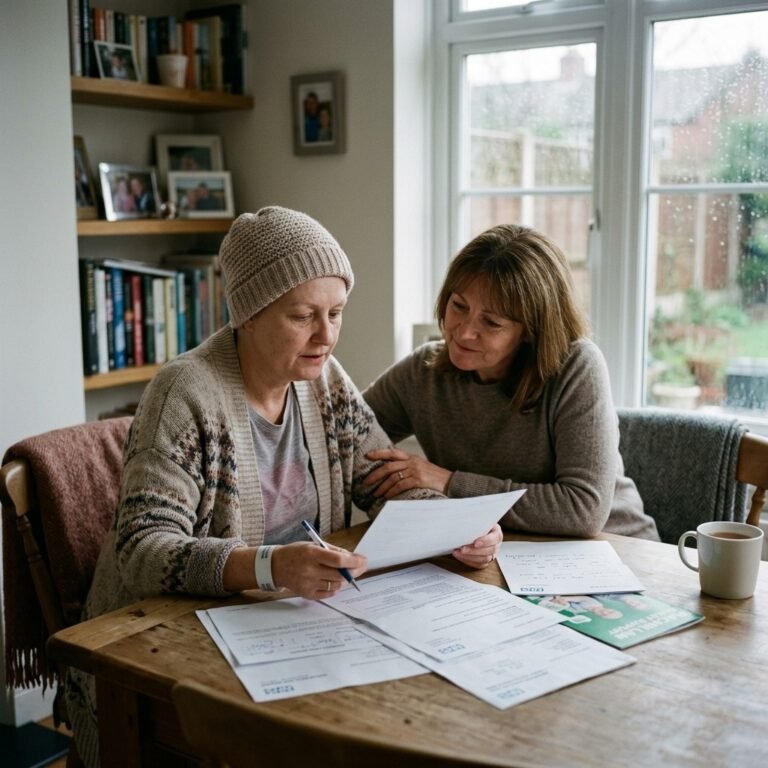
Mental health conditions rarely exist in isolation. The AA1 form allows and DWP decision-makers expect a cumulative picture of care needs across all conditions.
Depression secondary to chronic pain (a very common pattern) can transform a borderline physical claim into a strong combined claim. Anxiety secondary to COPD or heart failure creates additional supervision and prompting needs on top of physical care requirements. Fibromyalgia combined with depression creates a high-need picture that may warrant the higher rate where either condition alone might not.
When completing the AA1 form, address each condition’s care needs separately before summarising the combined picture. The cumulative effect often exceeds the sum of its parts.
Mental Health-Specific Pitfalls
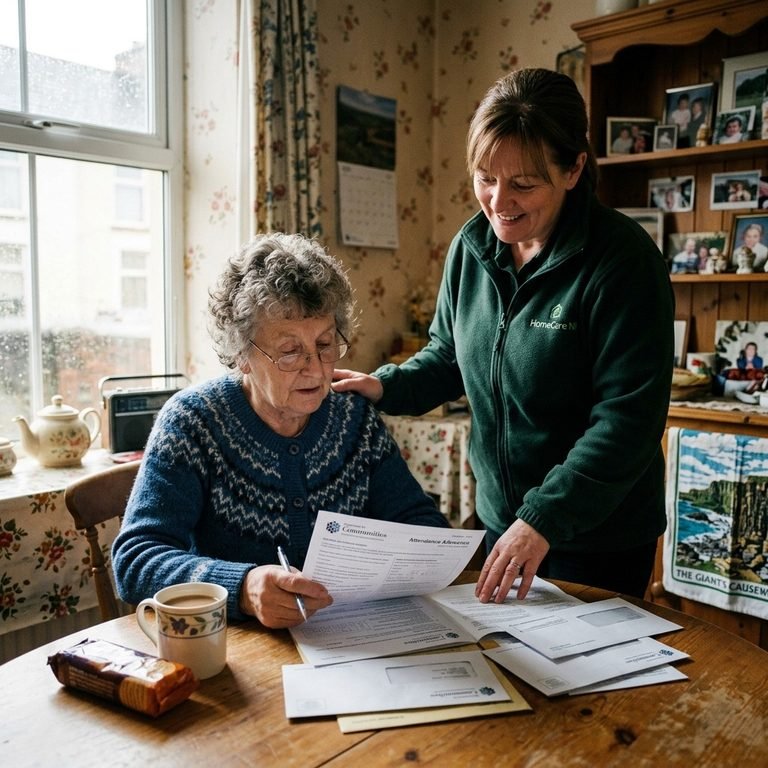
1. The “I can manage” narrative: Many people with severe depression understate their needs, particularly older adults who feel ashamed. The AA1 form must reflect worst days, not best days and must describe what happens without support, not what happens with it.
2. Family members describing good days during assessments: If an assessor observes or speaks with a carer who mentions “good days,” the claim may be under-rated. Ensure carers understand to describe the pattern across bad days, not positive outliers.
3. Missing the safety supervision case: Many mental health claims are submitted on the basis of prompting alone, missing a stronger supervision argument. If there is any risk of self-harm, suicide, wandering, or unsafe behaviour, this must be explicitly stated.
4. Not mentioning medication non-compliance: This is one of the clearest care needs in psychiatric conditions and is frequently omitted from claims.
5. Treating self-neglect as non-qualifying: Failure to wash, eat, or maintain a safe environment due to mental illness is functional impairment. It belongs on the form.
Confidentiality and Privacy Concerns
Can the DWP see my mental health records?
The DWP cannot access NHS records without your consent. When you submit the AA1 form, you are providing information voluntarily. The DWP may request a report from your GP or treating specialist, but only with your knowledge.
Who processes mental health claims?
AA1 forms are assessed by DWP decision-makers, not clinicians. Medical advice may be sought from a Health Professional Adviser, but the final decision is administrative. Mental health claims are not automatically referred to specialist assessors.
Is the AA1 form confidential?
Information on the AA1 form is held by the DWP and may be shared within the department for benefit administration purposes. It is not shared with third parties without cause.
What if I don’t want to disclose specific diagnoses?
You are not legally required to provide a diagnosis. The AA1 form asks about functional needs and care requirements. Describing symptoms and their impact without naming a diagnosis is a valid approach. However, including relevant diagnoses generally strengthens a claim, particularly when supported by clinical letters.
Frequently Asked Questions
Does depression alone qualify for Attendance Allowance?
Yes. Depression qualifies when it creates a genuine need for frequent prompting with personal care or supervision to prevent risk. Diagnosis is not the test functional care need is.
Do I need to be seeing a psychiatrist?
No. A GP managing your mental health is sufficient. However, CMHT involvement or a psychiatrist’s letter strengthens the claim significantly.
Can I claim if I refuse mental health treatment?
Yes. Refusal of treatment does not disqualify you. The DWP assesses care needs as they currently exist, not on the basis of whether optimal treatment is being accepted.
Does taking antidepressants strengthen or weaken my claim?
Neither automatically. What matters is functional need. Medication that is poorly tolerated, requires supervision for administration, or has not resolved functional impairment supports the claim. Well-managed symptoms may reduce the assessed need.
Can I claim for anxiety without a formal diagnosis?
Yes. The 6-month rule requires that care needs have existed for at least 6 months not that a formal diagnosis has been in place for that time.
What if I have good days and bad days?
Describe the pattern and the worst days. DWP decision-makers are trained to assess variable conditions across their full range. A claim should never focus only on good days.
Does the DWP contact my psychiatrist?
Only if they request a professional report and you consent, or if the claim is going to a Medical Examination Assessment. You will be informed if this happens.
Can I claim for late-onset mental health conditions?
Yes. There is no requirement that the condition existed before State Pension age. Late-onset depression, anxiety, or psychosis are valid grounds.
What if my mental health is well-managed with medication?
If medication has eliminated all care needs, you may not qualify. If care needs remain despite medication for example, ongoing supervision needs, prompting, or night-time anxiety the claim remains valid.
Does bereavement-related depression qualify?
It can, if the depression has persisted beyond what would be considered a normal grief response, meets the 6-month rule, and creates genuine care or supervision needs. A GP letter confirming the clinical picture and functional impact is essential.
One Comment